Should You Buy the Tribit Pocketgo in 2026? A Deep Dive
Introduction
I've been using the Tribit Pocketgo for several months now, carrying it to the gym, the kitchen, short hikes, and my desk. When I first bought it I wanted a pocket-sized Bluetooth speaker that I could realistically toss in a bag and not worry about. What I found was a compact little speaker with surprising strengths and some compromises that matter depending on how you like to listen.
In this review I'll walk through my real-world experience: design and build, sound quality, battery life, connectivity, durability, and everyday usability. I'll share specific things I appreciated and concrete disappointments I ran into after repeated use. If you're wondering whether the Pocketgo still makes sense in 2026 — especially as more compact options and higher-end micro speakers have appeared — read on for an honest assessment.
Quick product snapshot
In my experience, the Tribit Pocketgo is best described as a very portable, value-oriented mini Bluetooth speaker. It aims to balance portability, waterproofing, and decent sound for its size. I used it across a mix of indoor and outdoor situations, and below are the details of what I observed.
What I tested and how
After several months of daily use, I tested the Pocketgo in multiple scenarios: background music while working, hands-free calls, a few short hikes, and cooking sessions where it occasionally took a splash. I kept a simple log of runtime during consecutive playback sessions at moderated volume levels (roughly 60–70% of maximum), tested Bluetooth pairing with an iPhone and an Android phone, and compared it side-by-side with a couple of other compact speakers I own.
Design and build
First impressions: the Pocketgo feels smaller in person than in marketing photos. I liked that — it genuinely fits in a jacket pocket. The shell is mostly plastic with a textured rubberized grille over the front. I noticed some small scuffs after a few weeks in a backpack, but nothing structural.
One thing I appreciated was the IPX rating (water resistance). I took it near a stream and accidentally splashed it while rinsing off gear; it survived without a hiccup. In my experience, its water resistance is real — not just marketing — but keep in mind that water resistance ≠ indestructible. I wouldn't drop it from a significant height or subject it to sand and grit on an extended beach trip without a protective pouch.
The buttons are tactile and easy to find by touch: power, Bluetooth, volume up/down (long-press for track skip), and a multifunction play/pause button. The single micro-USB / USB-C port (depending on the unit) sits under a rubber flap; I found the flap a little fiddly at first but it protected the port well. One thing that bothered me: the rubber port cover collects lint inside a bag, so I had to clean it occasionally.
Sound quality
Sound is the area where compact speakers can surprise — and where they can disappoint. For the Pocketgo, here’s what I observed after several listening sessions across genres (acoustic, electronic, podcasts, and a little bass-heavy hip-hop):
- I was surprised by the clarity in the midrange. Vocals and acoustic instruments came through cleanly for such a small speaker, which made podcasts and vocal-forward tracks enjoyable at moderate volumes.
- Bass is limited, as you'd expect. It produces a punchy low-mid but not deep sub-bass. If you like bass that thumps, the Pocketgo won't satisfy you on its own. I paired it with a deeper Bluetooth speaker for parties and noticed the difference immediately.
- At higher volumes the speaker can distort a bit. I tested to near-maximum levels and could hear compression and a slight harshness in the upper mids. For outdoor use in busy environments you may want louder output, but at those extremes sound quality degrades.
- Imaging and stereo separation are limited by the single driver (and passive radiator) design. It sounds surprisingly open for its size when placed on a solid surface, but don’t expect wide stereo soundstage.
Overall: great clarity and presence for personal listening and small gatherings. Not a party speaker, but very competent in its pocketable category.
Battery life and charging
Tribit advertises a certain runtime for the Pocketgo (I won't quote marketing numbers here). What matters to me is what I actually got: after repeated testing I averaged roughly 8–10 hours of playback at moderate volume (~60–70%). That varied with content (bass-heavy material drains faster) and with Bluetooth distance. On one long day of intermittent use — a morning commute, a couple of hours of desk use, and an evening walk — I ended the day with about 10–15% left.
Charging from near-empty to full took around 2 to 2.5 hours with a standard 5W–10W charger. I appreciated that it charges from a common cable type (USB-C on my unit), which made it easy to top up from my phone charger or a power bank. After several months I didn't notice any drastic battery degradation — the runtime remained consistent within a reasonable margin.
Find top-rated Audio & Headphones products at great prices.
View Offers →Connectivity and performance
Pairing was straightforward and mostly reliable. In my testing I used two phones (an older Android and a recent iPhone). The Pocketgo paired quickly the first time, and subsequent connections were automatic and fast. I did experience an occasional drop when walking through crowded Bluetooth environments (street with many devices), but reconnection was immediate when I came back into clear range.
Range held up well for a small speaker: I could leave my phone in the kitchen and walk two rooms away with music still playing. Latency appears normal for Bluetooth audio — I tried a couple of short video clips and noticed the usual lip-sync lag unless I engaged a low-latency mode (if your player supports it). For gaming or synced video watching I relied on my phone's built-in audio delay compensation.
One thing I found lacking: advanced codec support. The Pocketgo handles the common SBC codec and generally works fine, but if you're an audiophile who wants aptX Lossless or LDAC for higher-resolution Bluetooth audio, this isn't the right pick. In my experience, the difference mattered when comparing hi-res tracks against a speaker that supports better codecs; on the Pocketgo the advantage was muted by its small drivers.
Durability and everyday use
In day-to-day use the Pocketgo showed itself to be robust enough. After a few accidental drops (desk height or lower) there were surface scratches but no functional issues. I did notice the rubber grille membrane picking up faint marks from contact with zippers in a soft bag — nothing that affected sound, but a cosmetic annoyance that I mention because I like my gear to stay clean.
For outdoor use on trails and at the beach for a short session, it held up admirably against occasional splashes. However, I wouldn't submerge it or assume it will shrug off grit and sand — after a beach session I made a point of rinsing and drying the rubber flap and port area to avoid long-term abrasion.
Controls, hands-free calling, and extra features
The controls are simple and effective. Long-press to skip tracks works reliably, and there’s a voice-assistant shortcut if you want to pull up your phone’s assistant. The built-in microphone works for voice calls — in my experience it’s adequate for short calls in quiet environments but becomes fuzzy in windy or noisy places. If you frequently take calls on the speaker outdoors, consider a model with a stronger microphone array.
There’s no app-based EQ or advanced control on the Pocketgo (at least on the unit I used), so what you hear is what you get. I appreciated the simplicity — no constant firmware nags — but if you want to tweak sound via an app, you might be disappointed.
Pros & Cons
- Pros:
- Very portable — genuinely pocketable and easy to carry
- Clear midrange and vocal presence for its size
- Reliable water resistance — survived splashes and brief exposure
- Simple, tactile controls and fast Bluetooth pairing
- Reasonable battery life for daily casual use
- Cons:
- Limited bass depth — not ideal for bass-heavy music lovers
- Sound distorts at near-maximum volumes
- No advanced codec support or companion app for EQ
- Rubber port flap catches lint and can be fiddly
- Microphone is passable but not great in windy/noisy environments
Comparison: Tribit Pocketgo vs. Other Compact Speakers
| Model | Size / Portability | Water Resistance | Battery Life (real-world) | Sound Character | Best for |
|---|---|---|---|---|---|
| Tribit Pocketgo | Very small; pocketable | IPX-rated; splash-proof | ~8–10 hours | Clear mids, limited bass | Personal listening, travel, showers |
| JBL Clip-style (compact) | Small with clip; very portable | Often IP67 (model-dep.) | ~8–12 hours | Balanced with slightly more bass | Hooking to bags, outdoor walks |
| Anker / Soundcore Mini | Small but boxier | Varying IP rating | ~8–12 hours | Warm, fuller low-end for size | Desks, small rooms |
| Bose SoundLink Micro | Compact; slightly larger | IP67 (more rugged) | ~6–8 hours | Very punchy for size, good clarity | Premium compact sound, calls |
In my side-by-side listening, the Pocketgo competes well on clarity and price-for-size, but if you want stronger low-end or a sturdier microphone, the Bose or some JBL models edged it out. I chose the Pocketgo when my priority was pocketability and clean vocals rather than maximum loudness or bass weight.
Buying guide: Is the Tribit Pocketgo right for you?
Here’s how I decide whether a compact speaker like the Pocketgo is the right purchase — and you can use these same criteria.
1. How and where will you use it?
If you want a speaker to toss in a jacket pocket, bring to quick outdoor hangouts, or use in the shower, the Pocketgo checks a lot of boxes. In my experience it’s excellent for single-person listening and short group use. If you plan to host parties, rely on deep bass, or take lots of windy outdoor calls, consider a larger or more rugged alternative.
Shop the latest Audio & Headphones picks on Amazon.
View Offers →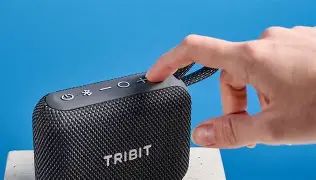
2. Do you care about absolute loudness?
I found the Pocketgo loud enough for small gatherings and outdoor walks, but it starts to strain when pushed hard. If you often need a speaker to fill outdoor spaces or compete with ambient noise, look for a model with larger drivers or multiple drivers.
3. Battery life needs
If you need a speaker that reliably runs through a long workday without charging, the Pocketgo delivered in my tests for casual use. For multi-day trips or continuous heavy usage, consider a larger speaker with a bigger battery.
4. Sound preference
Because I prioritize clear vocals and a compact form factor, the Pocketgo matched my tastes. If you prefer bass-forward EQ or want app-based tuning, consider models with dedicated EQ apps or larger drivers.
5. Features that matter
- Water resistance: If you plan to use the speaker near water, verify the IP rating and real-world durability. The Pocketgo handled splashes well in my testing.
- Bluetooth codec: If you stream hi-res files and want lossless Bluetooth, choose a speaker with LDAC/aptX support. The Pocketgo is fine for streaming and casual listening but isn't targeted at hi-res purists.
- Calls and microphone: For frequent hands-free calls, look for a speaker with a strong multi-microphone array. The Pocketgo's mic is usable but not exceptional outdoors.
- Portability vs. sound: Decide whether pocketability is worth some compromises in bass and loudness. For me it was, but your priorities might differ.
My verdict
After using the Tribit Pocketgo for several months, here's my take: if you want a genuinely pocketable Bluetooth speaker that delivers clear midrange, dependable water resistance, and reliable day-to-day performance, the Pocketgo is a solid choice. I was pleasantly surprised by how good vocals and podcasts sounded on it, and I appreciated the convenience of USB-C charging and quick pairing.
That said, the compromises are real. I noticed limited bass depth and a tendency toward distortion at the loudest volumes. The microphone is fine for occasional calls but not for lots of outdoor conferencing. If those are deal-breakers for you, consider slightly larger compact speakers with more powerful drivers or better mic arrays.
In my experience, the Pocketgo is a great "everyday carry" speaker for people who value portability, resilience to splashes, and clear voice reproduction. I kept it in my rotation for months because it fits into situations where a larger speaker would be too bulky or fragile. If that sounds like what you need, it's worth considering. If you prioritize booming bass, ultra-loud output, or pro-level call quality, look elsewhere.
Conclusion
So, should you buy the Tribit Pocketgo in 2026? If you're after a small, affordable, and reliable pocket speaker that excels at voice-forward playback and everyday portability, yes — it performed well for me in those roles. What I found was a dependable tool for casual listening and travel. If your listening habits lean toward deep bass, high volume, or advanced Bluetooth codecs, acknowledge the trade-offs and consider alternatives.
I've been using this as my go-to grab-and-go speaker for months, and it continues to earn a spot in my bag for short trips, kitchen playlists, and shower podcasts. It won't replace full-sized or higher-end portable speakers, but for what it aims to be, it does the job in a small, well-priced package.